


html
<title>用户注册</title>
<style>
body {
font-family: Arial, sans-serif;
}
.container {
max-width: 400px;
margin: 0 auto;
padding: 20px;
border: 1px solid #ccc;
border-radius: 5px;
}
input[type=text], input[type=password], input[type=email] {

width: 100%;
padding: 15px;
margin-bottom: 10px;
border-radius: 5px;
border: 1px solid #ccc;
}
button {
background-color: #4CAF50;
color: white;
padding: 15px 20px;
border: none;
border-radius: 5px;
cursor: pointer;
}
button:hover {
background-color: #45a049;
}
</style>
<div class="container">
<h2>用户注册</h2>
<form action="/register" method="post"> <!-- 这里假设你的后端注册接口是 /register -->
<input type="text" name="username" placeholder="用户名" required>
<input type="password" name="password" placeholder="密码" required> <!-- 密码输入框应该使用type="password",以保护隐私 -->
<input type="email" name="email" placeholder="电子邮件地址" required> <!-- 使用type="email",以便浏览器进行电子邮件格式验证 -->
<button type="submit">注册</button> <!-- 使用type="submit",确保按钮提交表单 -->
</form> <!-- 注意:在实际应用中,你需要添加更多的输入验证和错误处理 -->
</div> <!-- container -->
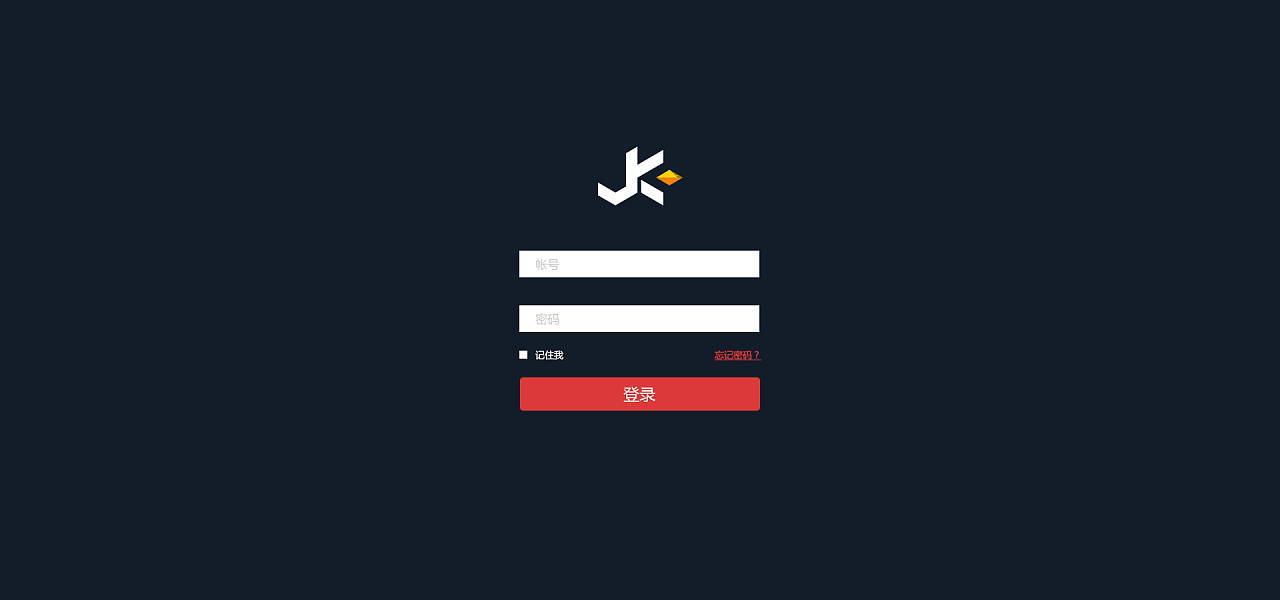
这个模板只是一个基本的注册页面,它包含了用户名、密码和电子邮件输入框以及一个提交按钮,在实际应用中,你可能需要添加更多的输入验证和错误处理,以及可能的用户反馈(如果注册成功或失败),为了安全性,你需要在后端进行验证,以防止恶意用户尝试注入恶意代码或进行其他类型的攻击。